

In recent months, global health conversations have quietly shifted. Travelers, wellness seekers, and public health experts alike are paying closer attention to how disease outbreaks shape movement, mental well-being, and lifestyle choices. The news that the U.S. issued a travel advisory for Seychelles following a disease outbreak — reported here: https://people.com/us-issues-travel-advisory-for-seychelles-outbreak-of-disease-11906471 — reflects a broader global reality. Health risks no longer stay local; they influence how we live, travel, and care for ourselves.
For many people, such advisories trigger more than logistical concerns. They raise deeper questions about safety, prevention, stress, and responsible living in an interconnected world. While outbreaks can feel alarming, they also offer an opportunity to adopt sustainable health habits and more mindful decision-making.
This article explores the causes behind disease outbreaks, practical health strategies, emotional well-being during uncertain times, and how individuals can respond responsibly without fear or panic.
Disease outbreaks are not new. However, global mobility and environmental change have increased their frequency and visibility. When authorities release travel advisories, the goal is prevention, not alarm.
According to World Health Organization, infectious disease outbreaks often arise from complex interactions between humans, animals, and the environment. Climate change, urban crowding, and international travel contribute significantly to disease spread.
For example, tropical regions may experience mosquito-borne illnesses more frequently due to warming temperatures. Meanwhile, increased tourism can accelerate transmission across borders. Research suggests that global air travel allows pathogens to move across continents within hours.
Yet outbreaks also reveal the strength of modern public health systems. Surveillance, vaccination programs, and international cooperation help contain risks and protect communities. Travel advisories serve as early warnings, encouraging preventive behavior rather than restricting freedom.
For individuals, understanding this context reduces anxiety. Instead of viewing outbreaks as unpredictable crises, we can recognize them as manageable public health events that require informed action.
Health threats rarely affect the body alone. They also shape emotional well-being. News about disease outbreaks often triggers fear, uncertainty, and decision fatigue, especially for travelers and families abroad.
Research from Harvard Health Publishing suggests that constant exposure to health-related news increases stress hormones and can disrupt sleep patterns. Over time, chronic worry may weaken immune function, creating a cycle where anxiety affects physical resilience.
Many people experience subtle psychological responses:
These reactions are normal. However, balanced information and mindful habits help regulate emotional responses.
Simple practices such as limiting news exposure, maintaining daily routines, and staying physically active can protect mental health during uncertain times. Emotional stability, in turn, supports stronger immunity and clearer decision-making.
Travel advisories often spark debate. Some view them as excessive caution, while others see them as essential protection. In reality, they function as preventive tools grounded in scientific monitoring.
Health authorities evaluate several factors before issuing advisories:
These alerts help travelers make informed decisions about timing, vaccination, and preventive measures. They also reduce pressure on local healthcare systems.
From a wellness perspective, advisories encourage responsible travel behavior. They remind individuals to prioritize health screening, hygiene, and awareness of symptoms. In many ways, they promote sustainable global mobility.
For travelers, preparation often includes building stronger immunity and adopting preventive habits. Some explore lifestyle changes such as better sleep hygiene or natural pain relief approaches, including learning how to relieve chronic back pain naturally at home through this resource: https://thegangchil.com/relieve-chronic-back-pain-naturally-at-home/.
Healthy routines support resilience, whether at home or abroad.
Understanding why outbreaks occur helps people respond intelligently rather than react emotionally.
Several key drivers contribute to emerging health threats.
Environmental change plays a major role. Deforestation and habitat loss bring humans closer to wildlife, increasing exposure to new pathogens. Climate shifts also expand the geographic range of disease-carrying insects.
Urbanization is another factor. Dense populations allow infections to spread quickly, especially where sanitation infrastructure is limited.
Global mobility amplifies these risks. Millions of people cross borders daily, creating rapid transmission pathways.
Additionally, weakened immunity due to chronic stress, poor diet, and sedentary lifestyles increases vulnerability to infection. Research increasingly highlights how lifestyle factors influence immune response.
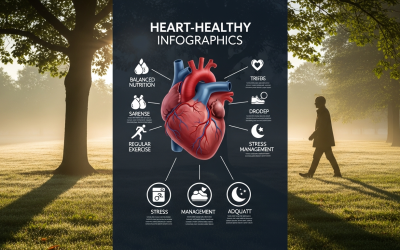
A holistic approach to health therefore becomes essential. Balanced nutrition, regular movement, and stress management strengthen the body’s natural defenses and reduce susceptibility.
When outbreaks occur, prevention becomes a shared responsibility. Fortunately, protective habits are simple and accessible.
Regular hand hygiene remains one of the most effective measures. Washing hands with soap for at least 20 seconds reduces pathogen transmission significantly.
Immune-supporting habits also matter. A diet rich in whole foods, sufficient hydration, and consistent sleep improve resistance to infection.
Physical activity supports circulation and immune response. Even moderate exercise, such as walking, has measurable benefits.
Some people also use complementary wellness practices. For instance, exploring best essential oils for headache relief through this guide: https://thegangchil.com/best-essential-oils-for-headache-relief/ may help manage stress-related symptoms that arise during health uncertainty.
However, wellness approaches should complement medical guidance, not replace it. Evidence-based care remains essential.
While prevention is important, excessive or misguided behavior can create additional problems.
Panic-driven decisions often lead to misinformation and unnecessary stress. Self-diagnosing symptoms based on online searches may increase anxiety rather than provide clarity.
Overusing supplements or unverified remedies can also be harmful. Research from Mayo Clinic emphasizes that some herbal or alternative treatments may interact with medications or cause side effects.
Another common mistake is social stigma. Avoiding individuals or communities based on fear rather than evidence damages public trust and cooperation.
Balanced caution works better than extreme responses. Following official guidance and maintaining rational habits protects both personal and community health.
Outbreaks often prompt reflection on long-term health habits. Instead of temporary precautions, many experts recommend sustainable lifestyle changes.
Nutrition plays a central role. Diets rich in vegetables, fruits, whole grains, and healthy fats support immune function and reduce inflammation.
Sleep is equally essential. Studies show that individuals who sleep fewer than six hours per night have increased susceptibility to infection.
Stress management also influences immune resilience. Mindfulness, breathing exercises, and regular relaxation help regulate hormonal balance.
Social connection supports emotional health as well. Even during health concerns, maintaining communication with friends and family promotes psychological stability.
Over time, these habits create a protective foundation that reduces vulnerability to illness and improves overall well-being.
Self-care practices are helpful, but certain situations require professional attention.
Medical consultation is necessary if symptoms persist, worsen, or include high fever, severe fatigue, or breathing difficulties. Early diagnosis improves treatment outcomes and prevents complications.
Travelers returning from affected regions should monitor their health and report symptoms promptly. Health professionals can provide appropriate screening and care.
Additionally, individuals with chronic conditions or weakened immunity should seek medical advice before traveling to areas with known outbreaks.
Professional guidance ensures safe decision-making and protects both individual and public health.
Public health depends on collective responsibility. Individual actions influence community safety.
Transparent communication, responsible travel behavior, and adherence to health guidelines reduce transmission risks. Communities that cooperate with health authorities respond more effectively to outbreaks.
Education also plays a vital role. Understanding how diseases spread empowers individuals to make informed choices rather than react emotionally.
Over time, outbreaks remind society of a simple truth: personal wellness and public health are deeply connected. Responsible living supports both.
Disease outbreaks can feel disruptive. Yet they also encourage reflection on how we live, travel, and care for our bodies.
A mindful approach emphasizes awareness without fear. It prioritizes reliable information, balanced habits, and compassionate community behavior.
For many people, this perspective transforms uncertainty into opportunity. It inspires healthier routines, greater resilience, and deeper appreciation for well-being.
Global health challenges will continue to emerge. However, informed and mindful responses help individuals navigate them with confidence and clarity.
Safety depends on the severity of the outbreak and official guidance. Checking travel advisories, vaccination recommendations, and local health measures helps determine risk.
Research suggests balanced nutrition, adequate sleep, regular exercise, and stress management support immune function. These habits work best when practiced consistently.
No. Advisories provide information about risks and precautions. They help travelers make informed decisions rather than enforce bans.
Some supplements may support health, but they should not replace medical advice. Consulting a healthcare professional before use is recommended.
Seek medical care if you experience persistent fever, fatigue, or unusual symptoms after visiting an affected region.
Health advisories and disease outbreaks remind us how interconnected our world has become. They encourage reflection on personal habits, mental well-being, and community responsibility.
Rather than responding with fear, many people find value in building stronger health routines and making mindful travel decisions. Awareness, preparation, and compassion create resilience in uncertain times.
If this discussion helped you reflect on your health or travel habits, share your thoughts or experiences. Conversations around wellness and global safety help communities grow stronger together.
Posted 4:09 pm | Saturday, 14 February 2026
| nm